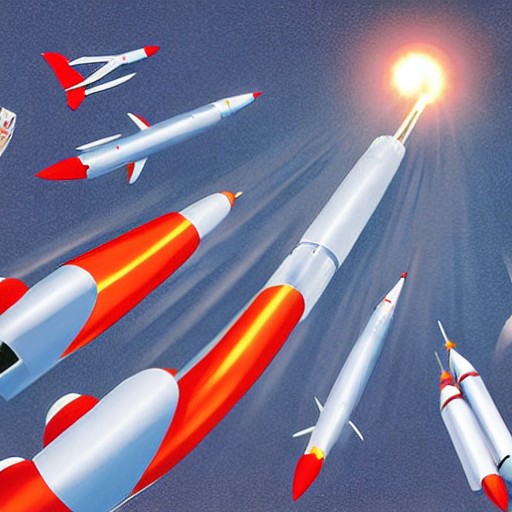
The race to field China’s first reusable launch vehicle is far less predictable than a similar competition that played out in the United States a decade ago. There was never any real question of which company would develop and demonstrate the first reusable orbital-class rocket in the US; SpaceX landed a Falcon 9 booster for the first time in 2015, and a little more than a year later, it launched it back into space. It took nearly 10 years for anyone else to do the same.
In China, several companies and state-owned enterprises have a realistic shot at landing an orbital-class booster stage this year. For a time, it seemed like China’s new crop of privately funded launch companies might have the advantage in accomplishing the first landing of an orbital-class booster. But Monday's launch of China’s Long March 12B rocket, backed by the nearly unrestricted resources of the country's vast state-owned aerospace enterprise, suggests the industry’s legacy players may now have a leg up.
Secrecy reigns in this endeavour; China’s first two attempts to recover heavy boosters failed in December. First, a company named LandSpace, part of China’s recent wave of quasi-commercial launch providers, debuted its Zhuque 3 rocket on December 2. The launch was successful but the booster crashed near its landing zone downrange from its launch site in the Gobi Desert of northwestern China. Less than three weeks later, a somewhat less powerful rocket named the Long March 12A had a similar result on its first test flight. The Long March 12A is a product of the Shanghai Academy of Spaceflight Technology, part of China’s legacy government-owned space industry.
The stakes are high as countries vie for leadership in reusability. For now, it seems that state-backed giants might have an edge over private firms, but only time will tell if this trend holds true. The future of launch vehicles depends on which country can master the art of making rockets land softly and reuse them again and again.
As China continues to make strides, we wonder: at what cost does this secrecy come? And who will ultimately benefit from the fruits of these technological advancements?