Just over a year ago, the Trump Administration issued an executive order aimed at accelerating nuclear development in the US. While numerous startups have emerged with innovative reactor designs, only one has secured full licensing and is inching closer to reality.
On Thursday, Antares announced that its test reactor, placed at the Idaho National Laboratory, had achieved criticality, marking it as the first new design to pass this crucial milestone. Criticality signifies self-sustaining nuclear reactions within the hardware; however, actual power generation is still a few steps away.
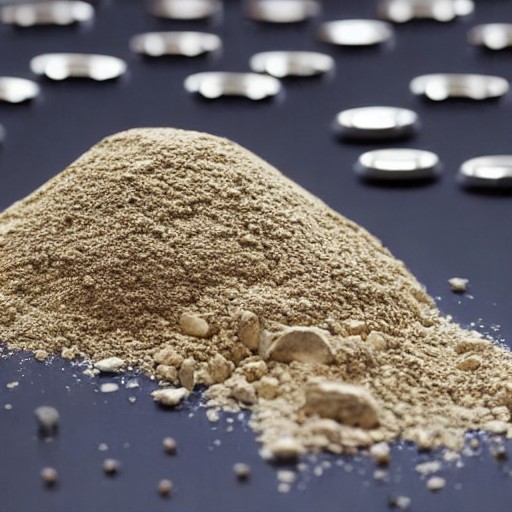
The fuel system Antares employs, known as TRISO, revolutionizes reactor design by simplifying some of its complexities and enhancing safety features in the fuel itself. This involves tiny pellets with uranium oxide cores, encased in multiple layers of carbon for neutron moderation and protection against high temperatures.
While this breakthrough paves the way for potentially safer and more efficient nuclear energy, it also faces significant hurdles including regulatory approval and economic viability. The race to develop small modular reactors (SMRs) continues to be a balancing act between innovation and practical application.