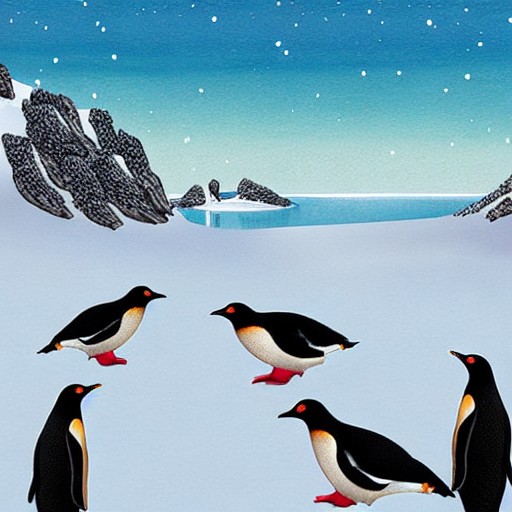
Antarctica’s western coast is missing an area of winter sea ice the size of France. Satellite observations revealed that the Bellingshausen Sea, which usually covers about 650,000 square kilometers with ice by June, was almost completely free of ice this year.
The lack of sea ice in the region, a critical habitat for krill and penguins, could have serious implications. Dr Will Hobbs from the University of Tasmania said it’s likely linked to global heating, while scientists are trying to understand its full impact on local ecosystems and global sea levels.
For example, the absence of protective sea ice could lead to faster glacier melt in areas like Pine Island and Thwaites, potentially accelerating sea level rise. This year also saw a tragic breeding failure for emperor penguins, with thousands of chicks dying during a catastrophic event earlier last year. The loss of sea ice is now seen as a serious problem for these birds.
Dr Peter Fretwell from the British Antarctic Survey highlighted that the current loss of sea ice could lead to reduced breeding success and longer journeys for molting penguins, while crabeater seals are being forced to migrate in summer to find stable ice. The heatwave recorded at Argentina’s Esperanza base further underscores the impact, with temperatures peaking at 15.4 degrees Celsius on June 5, a stark contrast from the usual minus 6.2 degrees.