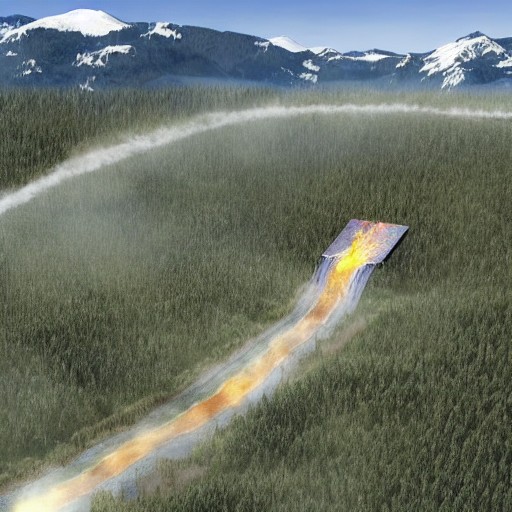
Geoengineering remains a complex and contentious climate solution. It’s not just about scattering particles in the sky; it involves intricate engineering challenges from atmospheric science to aircraft design.
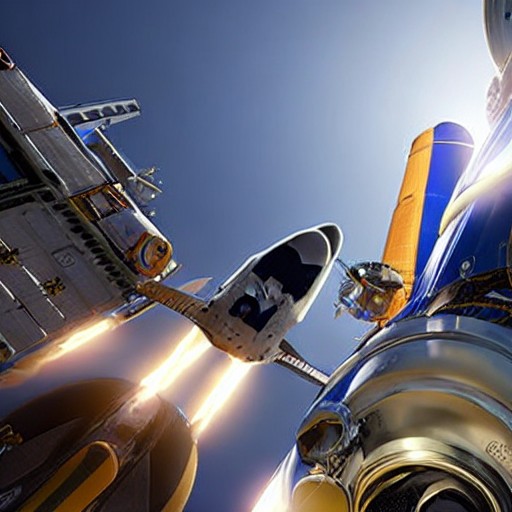
The quest for stratospheric particles delivery has led to unusual aircraft designs, like Iris Aero's, with wings extending far beyond their bodies. Such innovations hint at significant technological shifts required.
But the real question looms: as research moves towards practical engineering, what does this mean for governance and public oversight? The line between knowledge and action could blur dangerously.
Experts warn that moving from models to hands-on experimentation might make the technology seem more accessible, potentially leading to uncontrolled use. Yet, some argue R&D itself poses problems, as real-world issues may surface unpredictably.
The path forward is fraught with ethical and practical dilemmas. As we learn more about geoengineering, we must navigate these challenges carefully, ensuring the technology benefits rather than harms humanity.