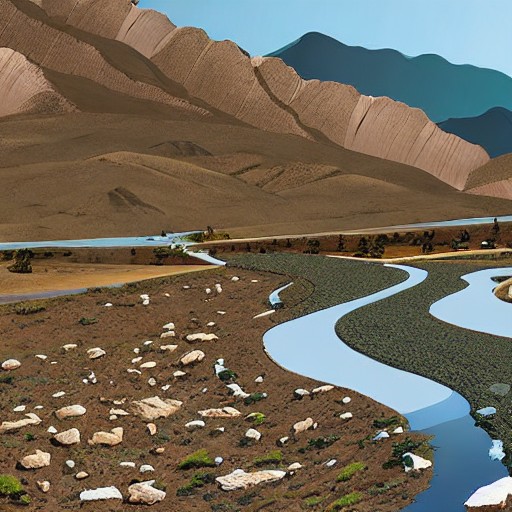
At an altitude of almost 4,000m (13,000ft), the Himalayan village of Sakti faces harsh conditions. Global warming has left farmers like Gelak Gutme struggling to grow crops due to water scarcity.
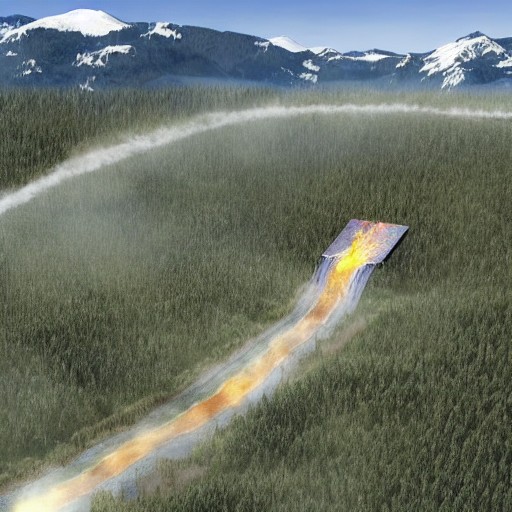
In a bid to secure springtime water, Ladakh villages have turned to artificial ice pyramids or 'ice stupas'. These structures form when piped winter water is sprayed into the air and freezes, providing melt water in early spring. However, managing these ice towers was no easy feat—freezing temperatures often caused pipe damage.
A new Automated Ice Reservoir (AIR) system has improved efficiency by controlling ice production with solar-powered technology that monitors weather conditions. This innovation could be a game-changer for arid regions worldwide.
Local farmers are now seeing some relief, but questions remain about the scalability of this technology. As Murtaza Ali explains, 'Pushing the envelope in technology to see how we can multiply the number of ice reservoirs is our next challenge.'