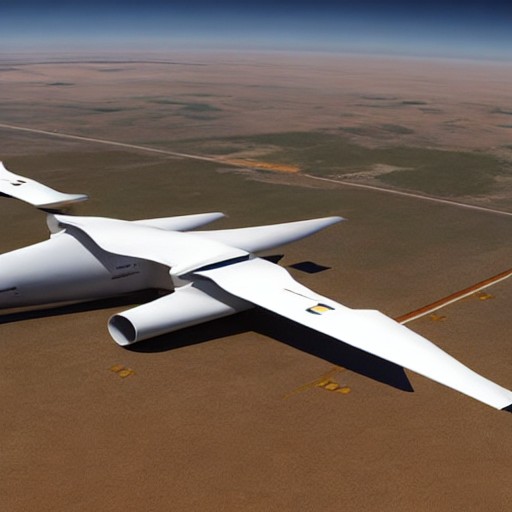
More than two decades since the Concorde last soared, NASA's experimental X-59 Quesst is making headlines with its quieter-than-boom technology. The aircraft, designed to replace the usual ear-splitting sonic boom with a soft thump akin to a car door closing, has recently begun supersonic test flights.
The X-59’s unique design, dubbed a 'frankenjet,' combines parts from various planes to demonstrate its quiet capabilities robustly enough for widespread testing. NASA plans to tour the aircraft across America to gather data from residents about these quieter sonic thumps, which could revolutionize supersonic travel if successful.
However, the financial viability of commercial supersonic flights remains a challenge, with issues like high fuel consumption standing in the way. Nonetheless, this test flight could be a significant step towards allowing overland supersonic travel, something Congress is currently considering through new legislation.
The Quesst mission’s lead pilot and engineer Jim Less explains that piloting such an aircraft is unique due to its lack of front windows. This experimental setup is part of NASA's broader goal: to demonstrate that quieter supersonic flights are not only possible but also acceptable in residential areas.
For now, the X-59 Quesst continues its journey from California to various parts of the United States, gathering feedback and paving the way for a potential future where supersonic travel might no longer be just a dream.