Stroke is one of the leading causes of long-term disability, with roughy two-thirds of survivors experiencing significant impairments in their hands and arms. Now, Epia Neuro, a startup out of San Francisco, aims to help more stroke patients regain hand function through a brain implant and motorized glove.
The technology works by detecting brain signals associated with the intent to move the hand, which are then translated into gripping motion through an AI algorithm and data from external sensors on the glove. By leveraging neuroplasticity, it's hoped that repeated use of the system could strengthen neural pathways related to movement.
David Lin, a critical care neurologist and director of the Neuro-recovery Clinic at Massachusetts General Hospital, advises Epia. He notes: 'A lot of brain-computer interfaces allow a person to type on a computer screen or to move a robotic arm to achieve a task. That's different from a rehabilitative solution, where using that device in and of itself leads to plasticity of the brain.'
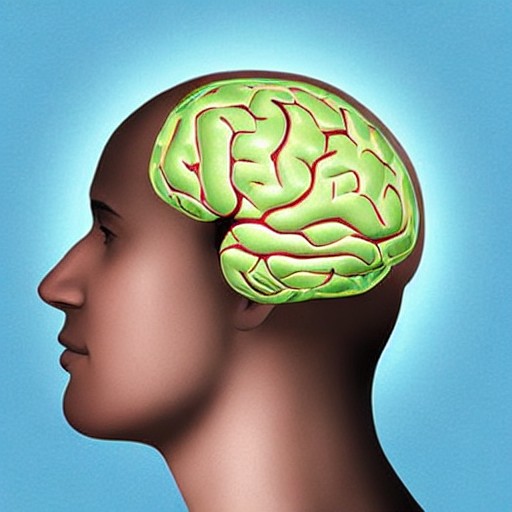
Epia’s implant is disk-shaped and inserted into the skull during a procedure that takes less than an hour. It can be upgraded or swapped out if necessary, with a headset worn by the patient recharging it every few days.
The device comes at a time when other companies are also developing brain-computer interfaces to help people with severe motor disabilities. Epia is planning its first-in-human demonstration of the technology later this year.