Earth is the only planet we know of with buoyant, silica-rich continents. But geologists still don’t agree on how they formed.
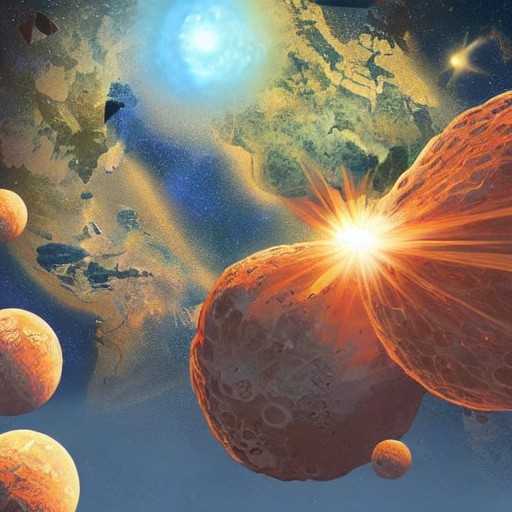
Tim Johnson from Curtin University in Perth suggests that intense asteroid impacts kept the early Earth hot and thin enough for buoyant continents to appear around four billion years ago.
The oldest known continental-type rocks crystallized 4.03 billion years ago, marking the end of the Hadean eon. Basaltic rocks date back about 4.2 billion years, with zircon crystals pushing the record to 4.4 billion years. Beyond this, evidence is scarce.
One theory proposes plate tectonics similar to today's, forming continental crust above subduction zones. The other claims Earth was too hot for rigid plates, with crust instead forming above mantle plumes rising from deep within the planet.
Understanding these ancient bombardments could rewrite our knowledge of early Earth and how continents came into being.