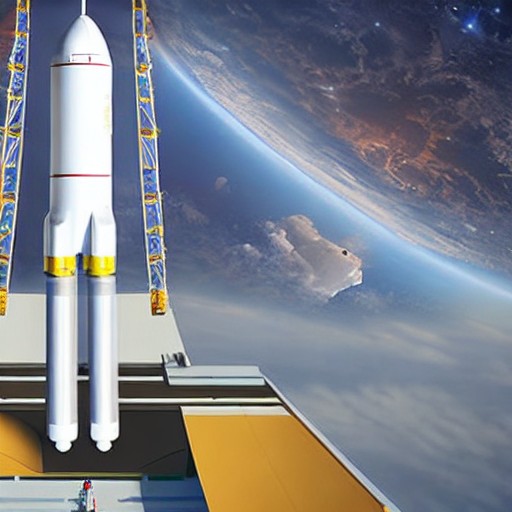
China has successfully recovered its first reusable Long March 10B orbital-class booster in the South China Sea, marking an important milestone in its space program. The rocket lifted off from Wenchang on Hainan Island at 4:15 UTC and autonomously guided itself onto a floating landing platform after 10 minutes.
This achievement places CASC and CALT alongside SpaceX and Blue Origin as leaders in reusable launch technology, potentially revolutionizing the cost of space missions. The booster’s upper stage continued to orbit while a payload named CX-26 was deployed.
“A historic day in China’s space program!” stated Mao Ning from the Chinese Foreign Ministry on X, highlighting the successful recovery via sea-based net and stressing this as the country's first controlled rocket landing.
While SpaceX uses propulsive landings for its Falcon 9 and Starship boosters, CASC has opted for a mechanical arm to catch the booster back at Wenchang. This method could reduce launch costs significantly by reusing critical components of rockets multiple times.