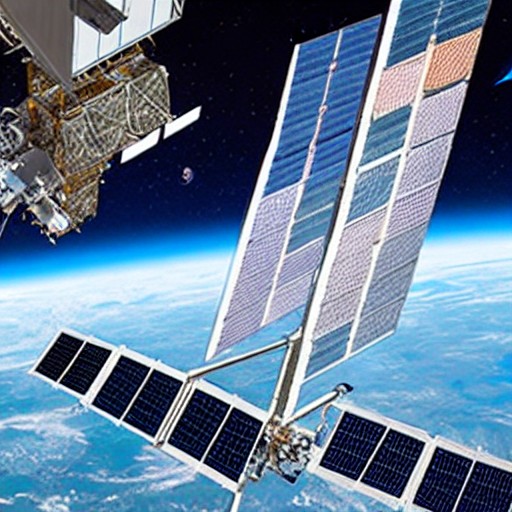
NASA has unveiled its latest blueprint for private space stations in low-Earth orbit. With the International Space Station set to retire by 2030, US companies are racing to fill this cosmic void.
The stakes are high. Congress wants no gap in human presence in orbit. NASA’s draft RFP aims to pick a winner among those who’ve been developing concepts for years, with funding delays adding tension and uncertainty.
Five years ago, the agency awarded funding to three companies but then dithered on phase two due to budget issues. Now, a new directive hints at building a core module for these stations, potentially reshuffling priorities once again.
The saga underscores how space exploration is as much about politics and money as it is about science and dreams. For now, the future of private space stations seems uncertain but excitingly complex.