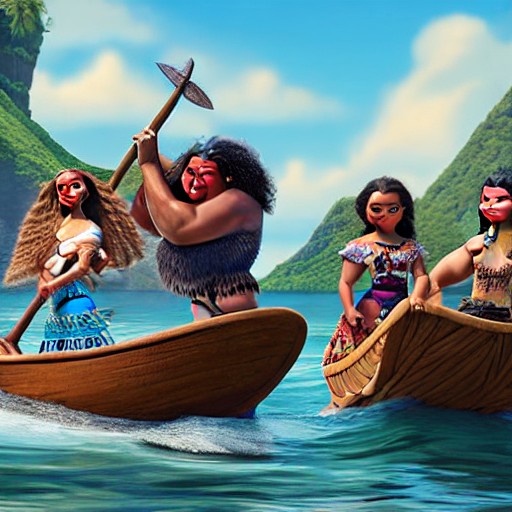
The plot of Moana and decades of archaeological research revolve around a simple question: why did Polynesian voyagers suddenly embark on epic journeys eastward after centuries of peaceful settlement?
The backdrop to this mystery is known as the 'long pause', during which the Lapita people explored the Pacific, arriving in Samoa and Tonga around 3,000 years ago. Yet for 1,700 years, there was little further exploration until a massive phase of eastward migration between 900 to 1,100 AD.
This sudden surge saw voyagers reach Hawaii, New Zealand, and Easter Island in huge double-hulled canoes. The spread of sweet potatoes indicates they may have even reached the Americas too. As European navigators arrived centuries later, they were struck by the shared cultural and linguistic similarities among even the smallest atolls.
For generations, experts debated whether new sailing technology, social pressures, or environmental factors drove this change. But to understand it fully, we must look at the crucial resources: fresh water and food. As populations grew, so did the strain on these resources.