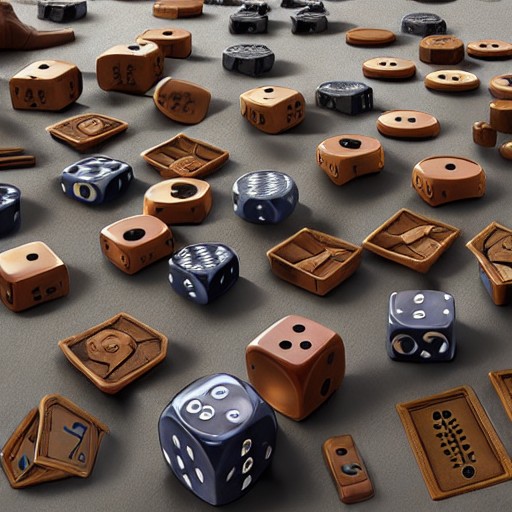
Native American tribes have been playing with dice in games of chance for over 12,000 years, according to recent archaeological findings. These rudimentary dice, typically with just two sides, were discovered across virtually every tribe and predate the earliest known dice in Europe by millennia.
The author of a new paper published in American Antiquity, Robert Madden from Colorado State University, suggests that these ancient groups weren't just passing the time; they understood probability long before historians gave them credit. 'Historians have traditionally treated dice and probability as Old World innovations,' he says.
Madden’s research began with an interest in Maya ballgames but soon expanded to include Native American dice and games of chance. His findings challenge previous archaeological interpretations and suggest that the use of binary lots, or rudimentary dice, was widespread among Native Americans 2,000 years ago and possibly even earlier.
The key to understanding these artifacts lies in ethnographic analogy – looking at historic records to infer usage from similar objects found in the same area. This method might now need a rethink as it appears ancient American tribes were ahead of their time not only in culture but also in statistical thinking.