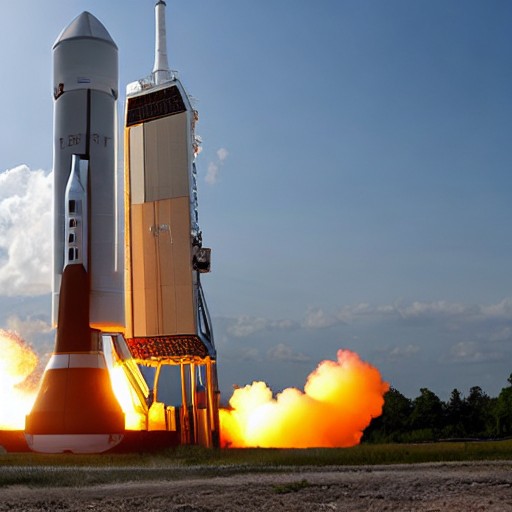
SpaceX has achieved a remarkable success with the 13th full-scale Starship test flight, culminating in an intact splashdown off the coast of Australia. The ship landed gracefully and floated upright after returning from its hour-long journey from South Texas. Engineers were able to inspect over 18,000 ceramic heat shield tiles for the first time post-flight, which withstood temperatures up to 2,600°F as Starship re-entered Earth's atmosphere.
SpaceX’s founder and CEO Elon Musk is optimistic about the next launch, where a mechanical arm on the launch tower will attempt to catch the ship in mid-air. This ambitious move could lead to rapid turnarounds for Starship, potentially enabling multiple flights per day, with the heat shield proving resilient against extreme conditions.
The successful splashdown also opens up possibilities for towing the rocket back to shore, allowing more detailed inspections and refining the design for future missions. Engineers are particularly excited about the data gathered from this intact landing, which will help in perfecting the heat shield for reusability.
Friday’s test flight was part of a broader mission that included deploying 20 Starlink V3 satellites, marking significant improvements over previous versions both in terms of power and throughput. While SpaceX continues to grapple with challenges like recovering Super Heavy boosters, this latest success brings humanity one step closer to the ambitious goals set for space exploration.