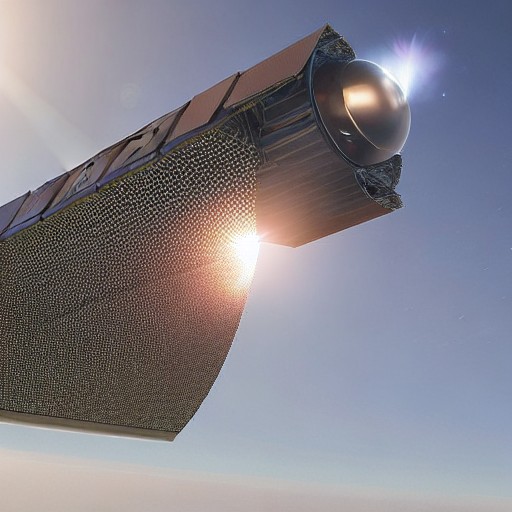
SpaceX has taken a significant leap forward with its Starship rocket, showcasing promising steps towards reusability. However, the vehicle's reliance on a traditional heat shield—a system made up of roughly 18,000 ceramic tiles—could be a major hurdle to achieving frequent and cost-effective flights.
According to Dan Rasky, a former NASA engineer who co-invented PICA for the Crew Dragon’s heat shield, this current approach might not cut it. He argues that Starship’s current thermal protection system is a ‘dead-end’ for missions requiring full reusability, echoing similar challenges faced by the Space Shuttle half a century ago.
During the Space Shuttle era, NASA struggled to develop an efficient process for inspecting and refurbishing thousands of lightweight ceramic tiles, making rapid reuse costly. SpaceX’s advantage lies in Starship's more tolerant steel structure, which can withstand temperatures up to 800°C, allowing some burn-through without catastrophic failure.
However, the question remains: will this traditional heat shield technology hinder Starship from achieving its ultimate goal of frequent and low-cost launches? The answer may lie in developing a new kind of thermal protection system that can be easily inspected and reused without extensive downtime.