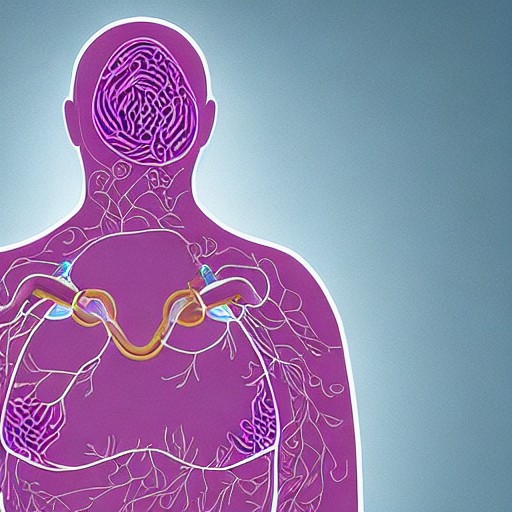
Scientists have discovered that imidazole propionate (ImP), produced by certain gut bacteria, could link the microbiome to Alzheimer's disease. The molecule enters the bloodstream and may weaken the blood-brain barrier, allowing it to interact with brain proteins involved in the disease.
The study found ImP promotes the accumulation of amyloid beta plaques and increases tau protein modification, potentially exacerbating both key biological hallmarks of Alzheimer's. Human studies showed higher levels of ImP were linked to poorer cognitive test scores and increased brain damage markers.
However, not everyone with these bacteria develops the disease, prompting researchers to focus on targeting ImP itself or its production rather than eliminating the bacteria altogether. This could lead to new drugs that lower ImP concentrations in the blood to reduce Alzheimer's risk.
The findings suggest gut health may play a crucial role in brain function and provide potential targets for prevention, but more research is needed to confirm these links in humans.