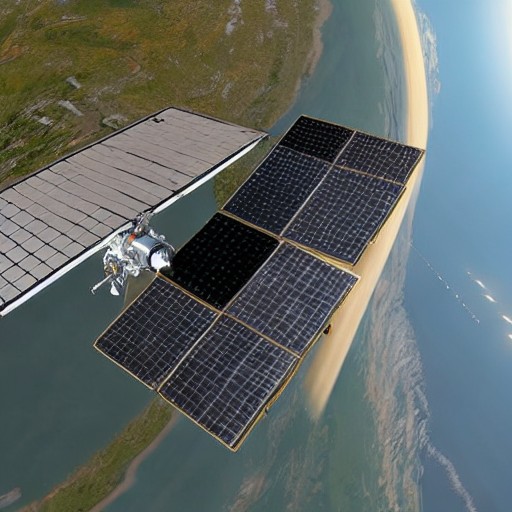
The Swift space observatory, a pioneer in gamma-ray bursts study since 2004, has met its fate. Facing the inevitable pull of Earth's atmosphere and despite NASA’s valiant attempt with the LINK spacecraft, the mission to save Swift has been abandoned.
Swift orbits at an altitude where atmospheric drag is relentless, slowly sapping energy from its trajectory. Without intervention, it was predicted to reenter Earth's atmosphere before 2030, facing a fiery end amidst intense heat and aerodynamic forces.
NASA’s mission to reposition Swift with the LINK spacecraft encountered significant technical issues, leading to its cancellation. The ambitious plan aimed to demonstrate capabilities for future satellite servicing but ended in a premature conclusion due to control system failures.
Despite the setback, NASA remains optimistic about learning from this attempt. The data gathered during the approach and demonstration phase could inform strategies for repairing or extending the lives of other satellites, highlighting the importance of rapid innovation in space technology.
The swift’s eventual reentry is still uncertain, but the timeline suggests a possible return to Earth by year-end. This event underscores the challenges faced when dealing with aging spacecraft and highlights humanity's ongoing efforts to innovate and prolong our celestial observations.