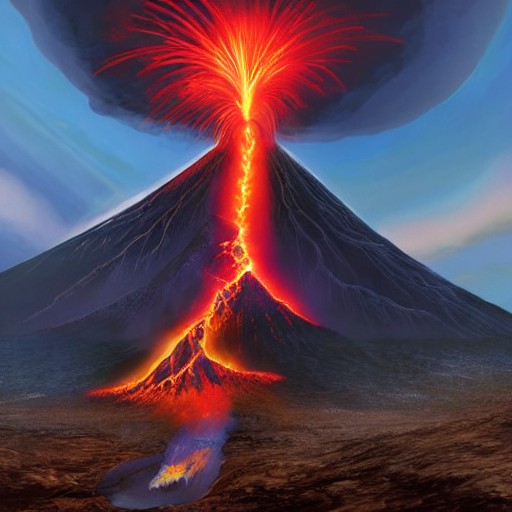
The first telegram arrived in Singapore on a Monday, sent from Batavia (now Jakarta). “Terrific detonations from Krakatau,” it reported. Soon afterward: “Stones falling. Village near Anjer washed away.” By noon on Tuesday, the scope of the natural disaster was clear: “Where once Mount Krakatau stood, the sea now plays.”
Within days, the source of the destruction was known worldwide. On August 27, 1883, a volcanic eruption obliterated two islands in the strait between Java and Sumatra, and most of a third. Over 36,000 people perished, with many victims lost to devastating tsunamis from the colossal explosion.
Thanks to Victorian-era telecommunications, it was the first time globally that people could document the immediate and long-term effects of such a catastrophic volcanic eruption in near real-time. What they learned over the next few years laid the foundations for modern volcanology.
In the months after Krakatau, drifting volcanic particles high in the atmosphere caused violently colored sunsets that contemporary artists captured in paintings. Sulfur from the molten rock formed aerosols that reflected sunlight and cooled Earth, leading to a drop of 0.6 degrees Celsius (1.1 degrees Fahrenheit) in average summer temperatures in non-tropical regions of the Northern Hemisphere.
The Krakatoa eruption was an especially eye-opening lesson in how major volcanic events can influence climate, agriculture, and even the course of human history.