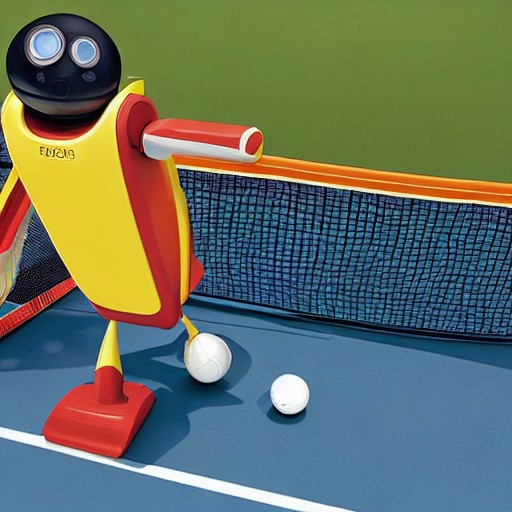
If you're anything like me, the World Humanoid Robot Games are a highlight of your sporting calendar. This year’s event in Beijing saw robots running faster than Usain Bolt and performing complex tasks with grace and—sometimes—humour.
But the real question is, can they do more than just run sprints? The games featured contests like picking up beans with tweezers and plugging cables into sockets. These tasks hint at a future where robots might handle delicate factory work or warehouse logistics. But for now, their strength lies in simple, repetitive movements.
The event also showcased the latest advancements in motor technology and algorithmic innovation. Companies like Unitree are leading the way with high-power motors that keep robots dynamically balanced. However, as Stefanie Tellex from Brown University points out, these systems still struggle with tasks requiring fine motor skills, such as picking up tiny objects or understanding complex environments.
Galbot, one of the participants, demonstrated a robot capable of playing tennis against a human opponent. This requires advanced perception and high-speed reflexes. While impressive, it also highlights the gap between current robotic capabilities and human-like dexterity.