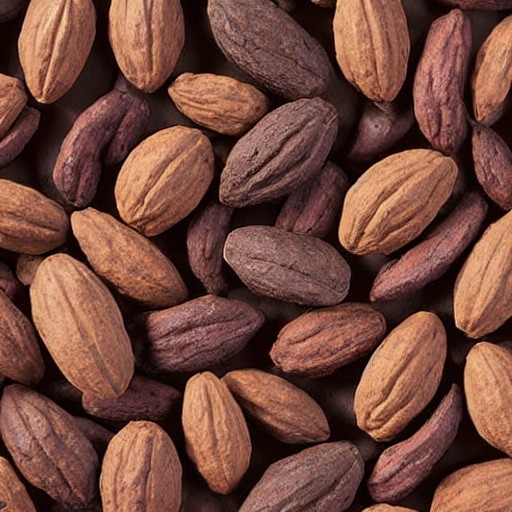
A thousand years ago, the Indigenous Mississippian people of what is now northern Georgia were enjoying feasts that included cacao from Central America. Traces of the cacao were found in potsherds from an 11th-century feast in the city of Etowah, revealing trade connections reaching at least 3,000 kilometers away. The discovery suggests that chocolate may have played a role in the construction of the city's impressive mounds.
University of South Carolina archaeologist Adam King and his team found fragments of ancient DNA from Theobroma cacao in the inner surfaces of the potsherds. Cacao only grows in tropical regions, making the trade connections between Georgia and the Central American cacao-growing areas particularly significant. The Mississippian people must have had extensive trade networks spanning the continent.
Etowah was a major center of the Mississippian culture, which flourished in the southeastern United States before European colonization. By 1350 CE, the city was ringed by wooden palisades and guard towers, and featured a trio of giant earthen mounds, the largest standing six stories high. The first big platform mound was being built during the feast from which the cacao residue was discovered.
The mound’s construction involved the excavation of a large amount of dirt, and the subsequent filling of a pit with the refuse from community feasts, including broken pottery. This treasure trove of archaeological finds allowed King and his colleagues to analyze the microscopic residue of ancient drinks that had soaked into the ceramic, providing insights into the diet and trade of the Mississippian people.