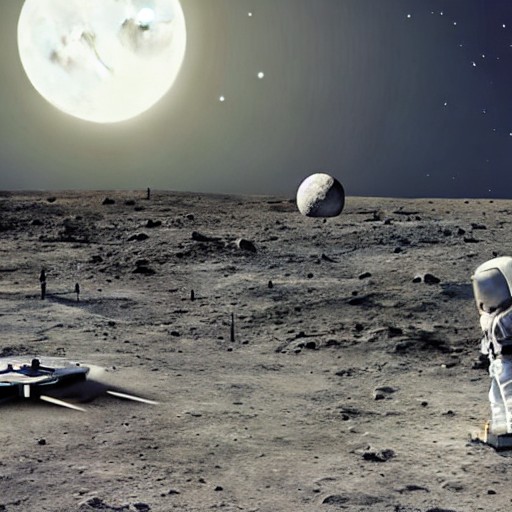
After eight hours of gazing at the Moon, Reid Wiseman, commander of NASA's Artemis II mission, found himself outmatched by the view. “No matter how long we look, our brains can’t process this image. It’s spectacular, surreal,” he mused.
Live images from Orion showed the Moon growing larger as the crew approached. Despite bandwidth limitations, GoPro footage streamed in, setting the stage for sharper photographs to follow overnight. Over three years of rigorous training, Wiseman and his team honed their piloting skills on the Integrity capsule. They prepared not just for emergencies but also to document their observations with geology and photography courses.
The Orion spacecraft has performed flawlessly since launch, reaching its closest point at 4,067 miles from the lunar surface before setting a new record of 252,756 miles from Earth. This happened as the capsule flew behind the Moon, cutting communications for about 40 minutes.
As NASA’s first crewed mission to orbit the Moon in over five decades, Artemis II is rewriting our understanding of space exploration. With each milestone, it propels us closer to a future where the Moon isn’t just a destination; it’s a place we must continue to explore and document.