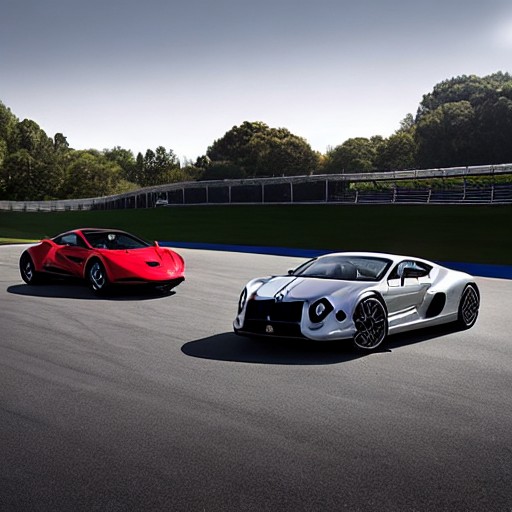
MONTEREY, Calif.—In the early 1920s, the Bentley Super Sports was a beast on the track, its 3 Litre engine and unique gearing promising speeds that would make the millions of Ford Model Ts of the time quiver in fear. A century later, the new Bentley Supersports continues this tradition with its rear-wheel drive and stripped-back design, offering a driver-focused experience that’s both exhilarating and light, literally and metaphorically.
Then, a 9.5-inch shortened wheelbase and a tapered radiator were enough to make the Super Sports a more responsive and faster car. Today, it’s the hybrid system that’s stripped away, revealing the car’s core power and agility. Both versions share a common thread: performance, tailored for the discerning driver.
YMG 4037, also known as Smoky, is a prime example of this legacy. Built in 1926 and sporting a two-seater body from Jarvis of Wimbledon, it was a race car in its early years before receiving a powerful upgrade in 1932. With a 4.5 L motor from the car that won Le Mans in 1928, Smoky achieved impressive speeds, including a fastest lap of almost 117 mph at Brooklands.
While the external factors of coachbuilders and the era's technology have evolved, the essence of the supercar remains the same. Bentley’s commitment to performance and innovation has seen it through decades, from the roaring 1920s to today’s electric and hybrid future.
The journey of the Super Sports from its early days to the present is a testament to Bentley’s enduring legacy. Just as Smoky once powered through the years, the Supersports continues to push the boundaries of what a supercar can be.