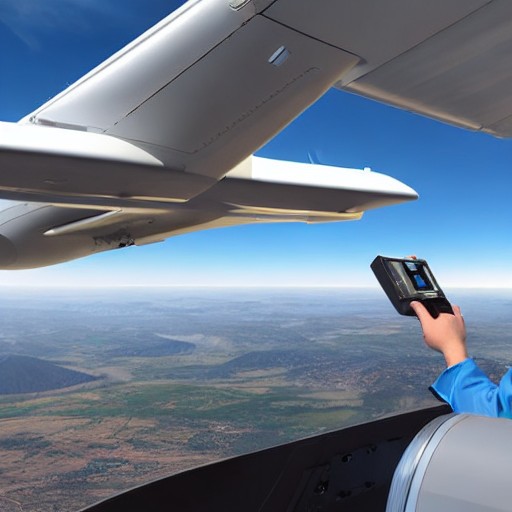
Silicon Valley’s latest aviation startup, Poseidon Aerospace, is aiming for the skies – but with a decidedly un-flashy approach. Co-founder and CEO David Zagaynov is focused on cost and efficiency, foregoing the latest in technology for tried-and-true combustion engines. His uncrewed cargo plane, Egret, will make its debut flight this year, targeting the defence and regional commercial cargo sectors.
Unlike many aerospace ventures, Zagaynov isn’t chasing the latest in vertical takeoff or electric power. Instead, he’s embracing autonomy and remote piloting, promising lower costs and higher utilisation. The company, based in an old Navy hanger in Alameda, California, is gearing up for its first full-scale test flight, having already developed a quarter-scale model called Seagull.
With the Federal Aviation Administration’s recent pilot program, Poseidon is navigating a regulatory landscape that’s more open to new ideas. However, Zagaynov’s focus on practicality and cost-cutting means his planes will operate much like traditional cargo aircraft, albeit with a twist. No cockpit, no life support, and a lighter, more efficient design. It’s clear Zagaynov’s goal is to make transport cheaper and more flexible, competing with established air cargo carriers like UPS and FedEx.
For Zagaynov, the future of aerologistics is about making cargo transport as efficient and cost-effective as possible. He believes that by abstracting away unnecessary tech, he can create aircraft that are cheaper to operate and more resilient to disruption. His approach is a stark contrast to the flashy technology of many other startups, focusing instead on practical solutions. While the world of air travel may not be seeing the most cutting-edge technology, it is, at least, seeing a more pragmatic approach to the future.