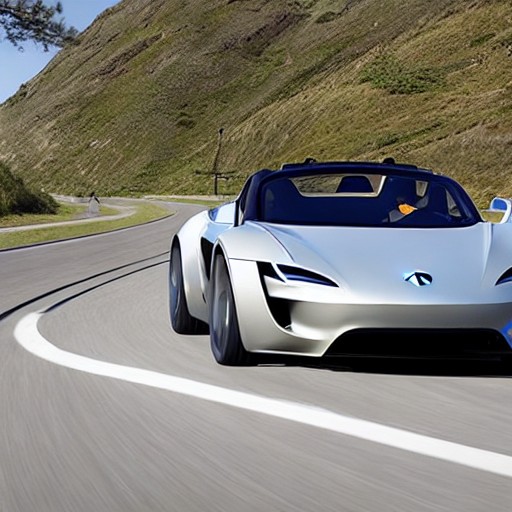
Almost nine years ago, Elon Musk announced the Tesla Roadster 2 with fanfare, proclaiming it would be the fastest car ever. Fast forward to today, and the car is finally here, six years late, as the world of electric vehicles (EVs) has transformed into something markedly different.
Musk now focuses on robotics and autonomy, not cars, and the political landscape has shifted. The US has reversed course on electric vehicle incentives, and EV sales are on the decline. Yet, the options for buyers are vast: 90 EVs versus the 15 from 2017, making practicality a key factor.
The Roadster 2, a hypercar targeting those who want to show off and go very fast, faces stiff competition. Other luxury brands are keeping gas engines, and some are even shelving electric vehicles entirely. For Tesla, the challenge is to wow potential buyers with features beyond practicality, like sub-2-second acceleration, which may now require a rocket boost.
The stakes are high, with expectations for the car to start at $200,000 and come with a rocket launch if it hits that mark. But as physics catches up, the comfort of such speed is questionable. Will the Roadster 2 redefine luxury, or is it a relic of a bygone era?