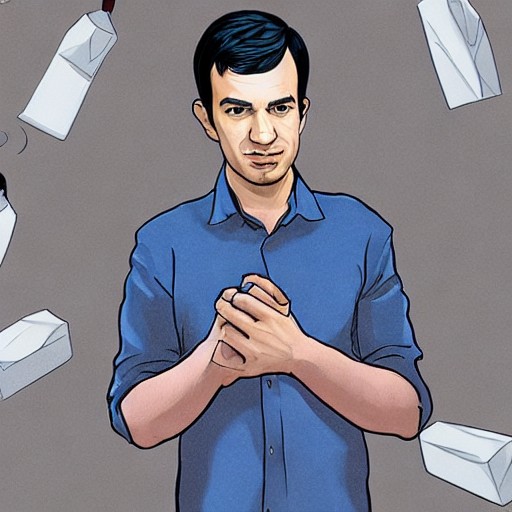
A few months ago, I received an unexpected email. Would WIRED be interested in Nathan Fielder for a fall cover of our magazine? The answer was yes, but with a twist: the project was so secret, I’d need to sign an NDA to hear about it. I signed, I heard, and then I saw, becoming one of the few dozen people who screened 'You Can See Everything' before its debut at the Telluride Film Festival.
The buzz was immense. Reddit forums exploded, journalists pleaded for access, and the notoriously inscrutable Fielder became a cult hero for his ability to turn human discomfort into high art. From Dumb Starbucks to a fake bar and a 737 flight, his work is a comedic masterpiece. Yet, the stakes were high, and the secrecy was palpable.
You Can See Everything is a singularly astonishing film, one that I’d argue is among the best I’ve ever seen. Codirected by Fielder and Lance Oppenheim, it begins as a strange, captivating, occasionally hilarious 34-day psychological dance between Fielder, Elizabeth Holmes, and her partner Billy Evans before Holmes’ incarceration. The film then morphs into something beguiling and brilliant.
When I sat down with Fielder for a conversation, any lingering irritation at his pre-interview jitters instantly fell away. For all of his overthinking, lines in the sand, and apparent ambivalence to press, Fielder presented as considerate and genuine. Over nearly an hour and a half, he slumped casually on a sofa, seemed to mull my questions earnestly and in good faith, and did his best to answer them. Verbal communication isn’t always easy for him, and his blunt demeanor makes him particularly effective in the role of truth-seeker.