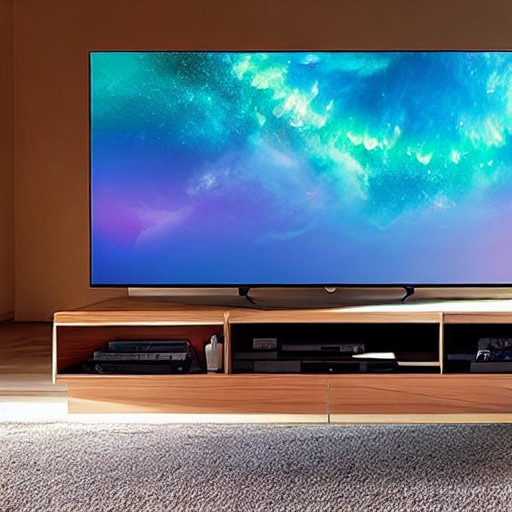
The Hisense UR9 is the first RGB LED TV to hit the market this year. With its vibrant colors and impressive brightness, it challenges the high-end OLEDs from LG and Samsung. While not without its flaws—like some motion judder—it stands as a promising contender in the race for the best home entertainment experience.
This 65-inch model is priced at $3,500, making it a tough sell against OLEDs that cost around the same. Its ability to show colors beyond P3 and its bright image are impressive, but it also comes with higher prices than other mini-LED options. The 180Hz refresh rate and support for HDR formats make it a versatile choice for gaming and streaming.
The UR9's design is sleek, at just 1.8 inches thick, and it offers four sizes from 65 to 100 inches, allowing for various viewing experiences in different rooms. However, the placement of its USB-C DisplayPort connection can be a bit inconvenient, making it less ideal for those who want constant access to their computer.
While some might argue that RGB LED TVs are still in their early stages and not widely adopted content-wise, the UR9 shows that they can deliver quality visuals. The BBC's Planet Earth II, with its lush greenery and vibrant hummingbirds, is a testament to this technology. However, motion judder remains an issue, as seen during camera pans through jungle scenes.
In conclusion, while the Hisense UR9 may not completely overshadow OLEDs just yet, it certainly sets a strong precedent for future RGB LED TVs. As more content adapts to BT.2020 color spaces, these TVs could become a formidable alternative in the world of high-end home entertainment.