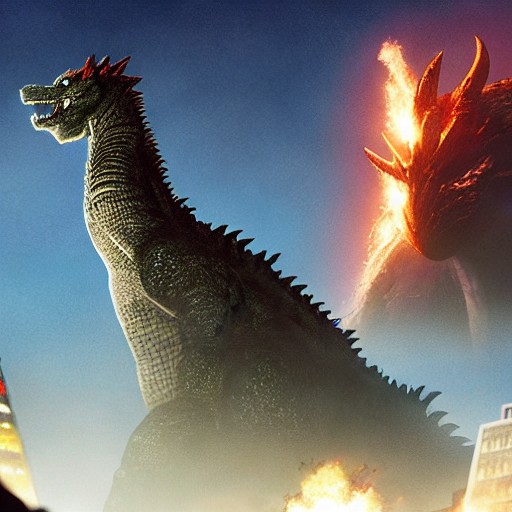
It’s rare for a film sequel to match its predecessor, let alone surpass it. But Godzilla Minus Zero has done just that. Director Takashi Yamazaki’s latest entry in the Godzilla franchise is a triumphant return to the series’ roots, blending human emotion, cutting-edge special effects and a thrilling showdown between two titanic kaiju.
In Minus One, we followed Kōichi Shikishima, a kamikaze pilot haunted by survivor’s guilt after the 1945 attack on Odo Island. His journey of redemption, set against the backdrop of post-war Japan, resonated deeply with audiences. The film’s success was undeniable, earning critical acclaim and box office recognition, including an Oscar for best visual effects.
However, the real magic of Minus Zero lies in its continuation of Kōichi’s story. Yamazaki masterfully weaves a tale of guilt, redemption and the eternal conflict between humans and kaiju. The film’s narrative is a poignant exploration of the human condition, set against the grandeur of kaiju battles. Special effects have never been more awe-inspiring, with Godzilla and his kaiju counterparts duking it out in spectacular fashion.
While the first film left the door open for a sequel, Yamazaki’s vision for Minus Zero was clear from the outset. He returned to the filmic roots of Godzilla, tapping into the symbolic representation of the Japanese perspective on the nuclear holocaust of the 1940s. This time, the narrative explores the aftermath of the bombings, with Kōichi’s struggles and the rise of a new kaiju threat.
The success of Minus Zero is not just a triumph for the Godzilla franchise, but a reminder that when done right, sequels can be every bit as compelling as their predecessors. As we continue to see the rise of sequels in the entertainment industry, Minus Zero stands as a shining example of what can be achieved when a director returns to the essence of a beloved story.