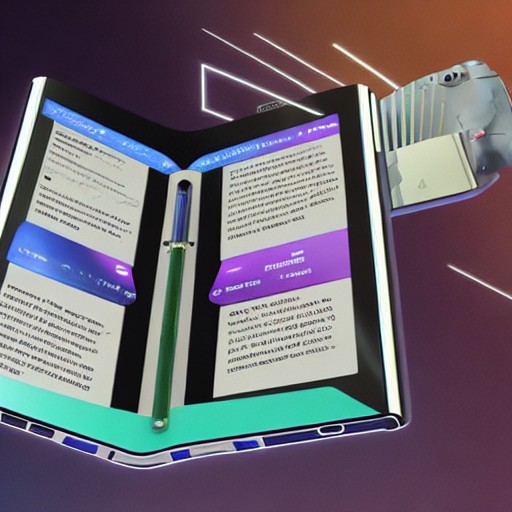
I was ready to give up on the Galaxy Z TriFold. My brief, weird time with the Samsung TriFold highlighted both its potential and its peculiarities. The phone’s heavy design and dual-screen setup meant constant reminders of underutilization; it felt like a tablet or a phone, but never quite both.
The cameras were decent but could be better at this price point. You get a 200-megapixel rear main camera and some middling telephoto options, which might work better if the design allowed for more flexibility in usage. Still, the experience of folding it back up after using half its potential feels like a missed opportunity.
Despite the initial frustrations, I found that the TriFold’s nature as an all-or-nothing device could be seen as a strength in certain situations. For tasks requiring multiple windows or applications, it excelled, but for everyday use, its bulk and weight felt somewhat cumbersome. It’s not as unwieldy as feared, though; I could carry it around while doing house chores without too much hassle.
Comparing the TriFold to Samsung’s newer Z Fold 7, which is both slimmer and lighter, highlights how the tech landscape evolves. The Trifold serves its purpose well, but there are clear advantages in portability and integration with other devices that make it less appealing for daily use.
As Samsung discontinued the TriFold, I remain intrigued by Huawei’s accordion-style approach. It might offer a more balanced solution, where the outer panels fold inward to cover part of the inner screen, providing better flexibility and ease of use without compromising on functionality.