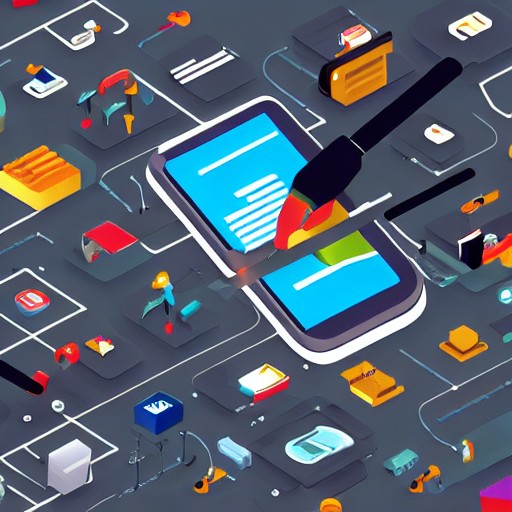
“There’s an app for that” has evolved into “I’ll build it myself.” As AI coding tools become more accessible, the line between tech creator and consumer is blurring. Vibe coding, once a niche concept, is now poised to transform your smartphone from a one-size-fits-all device into a highly personalized gadget.
Google’s updates to its AI Studio tool mean that anyone can create a native Android app in minutes, with the potential for more widespread personal utility apps hitting the Play Store. The prospect of widgets and automations tailored precisely to individual needs is tantalizingly close—think of a weather widget that reminds you when to grab your umbrella or an automation that turns on home Wi-Fi when you arrive at the house.
The dream of personal computing, long promised by tech giants, seems closer than ever. But with this new level of customization comes the potential for chaos; will my phone’s interface change every morning based on my mood? For now, let’s hope the promise lives up to the hype.
Apple’s own efforts in this space, through shortcuts and prompts, show that personalization is a two-way street. It’s not just about what apps do for us; it’s also about how we interact with them on our terms. As these technologies mature, they could lead to a future where every tap feels like a step towards a more intuitive, personalized user experience.
The real question isn’t whether this technology will change everything—it already is. The challenge lies in harnessing its potential without losing sight of the chaos it might bring. Will we wake up one day to find our phones have become too customized? Probably, but for now, let’s embrace the possibility of building our perfect tech.