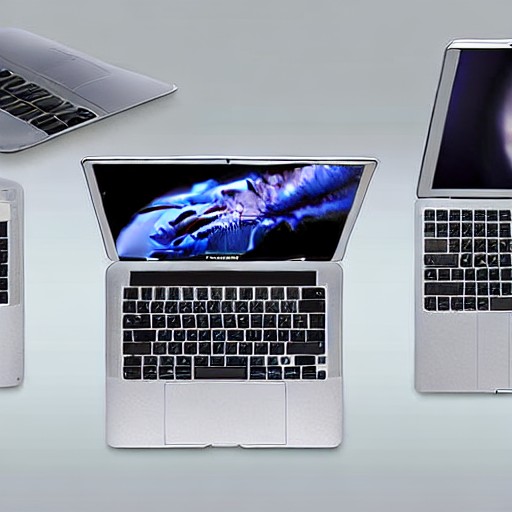
In January 2008, Steve Jobs unveiled the MacBook Air at Macworld, and little did anyone know it would spark a technological arms race. Within minutes, PC executives were tearing through envelopes, their desperation to match Apple’s thin-and-light vision palpable.
Back then, as a reporter for Laptop magazine, I was skeptical of the 0.76-inch-thick Air, with its lack of legacy ports and DVD drive. But it was precisely these 'nos' that defined its future: no DVD drive meant greater portability; fewer ports heralded a wireless era.
Apple’s vertical integration proved to be its greatest strength. The 2010 redesign ushered in the ultrabook era, but none could match the Air. Critics would mock it with a familiar refrain: for $200 more, you get an Apple laptop.
The final act of the MacBook Air’s journey came in 2020 when Apple replaced Intel processors with its M-series silicon. The result was a device that felt almost like an iPad in laptop form; no fan, no heat, and no need to juggle chargers. It was a testament to how one product can reshape an entire industry.