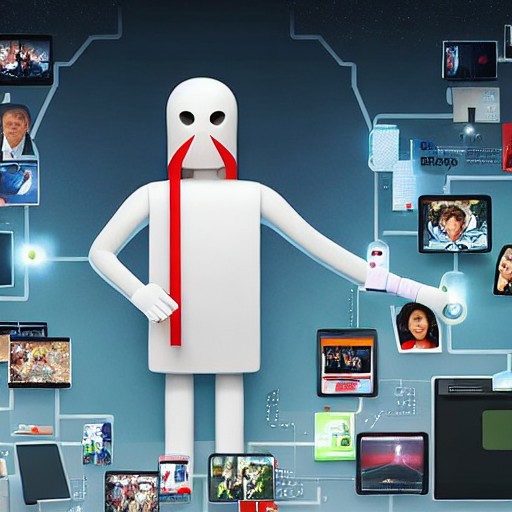
AI 'content creators' are becoming harder to spot on social media. Once easily identifiable, these digital personalities now blend seamlessly into our feeds, mimicking the lives of real influencers with ease. The technology has improved, making it almost impossible to distinguish between human and artificial faces.
The novelty may have worn off, but the influx of AI-generated content continues to inundate social media platforms. These creators are selling everything from drop-ship junk to disinformation, while some offer courses on how to create your own AI influencer. The scale of this phenomenon is hard to gauge as these accounts often fly under the radar.
Platforms struggle with policies that don’t quite fit, leaving a grey area where AI influencers operate freely. This ambiguity has allowed the virtual influencer market to grow exponentially, expected to be worth over $60 billion by 2030. It’s not just about money; these digital personas are gaining significant cultural clout, leading to awards and dedicated agencies representing synthetic creators.
The question remains: how much influence do we now have on our feeds, without even realising it? The rise of AI content creators is a reminder that the line between reality and fiction may be thinner than we think.