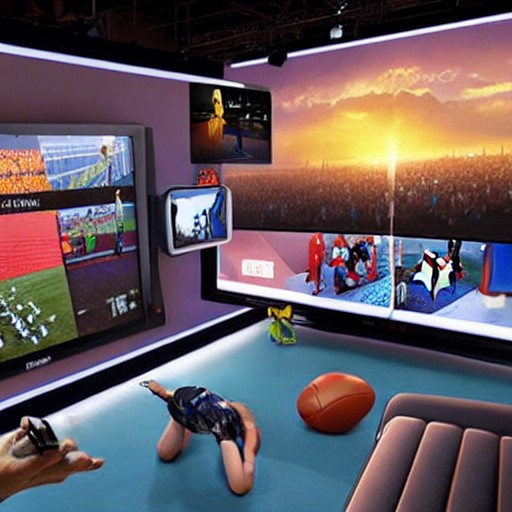
For a brief moment on Saturday, I was Vinicius Jr scoring a sublime rocket of a goal into the top corner of Morocco’s goal. No, I’ve lost it in the brief UK sun; I was watching the World Cup using the new BBC 3D World Cup app, and it’s utterly brilliant. This isn’t traditional sports broadcasting, or even the kind of Unreal Engine sports tech we've seen before, but it looks like a football match dropped into a game engine, and it’s live, in real time (okay, there’s a few seconds delay).
Launching for FIFA World Cup 2026 on the BBC Sport website and app, BBC 3D World Cup lets you move around inside a real-time 3D recreation of the match as it happens – switch viewpoints, track individual players, zoom out to see team shape and formations, watch the Football Manager-like overview map, and generally experience football in a way we've never really had access to before. In my case, I watched in first-person as Brazil’s mercurial No.7 cut inside the defenders and zinged a shot.
At the heart of it is technology from Apple Vision Pro developer Immersiv.io, which turns FIFA's live tracking data into a navigable digital model of the game in real time, but with no need for a VR headset. Instead of being tied to whatever camera angle a director chooses, you can pull right back to see the tactical picture, jump into different perspectives, or follow a single player's movement across the pitch.
This is where the BBC’s new tech gets interesting and stretches its legs beyond football. Modern football is drowning in data, with every sprint, pass, position change and touch of the ball tracked, recorded and analysed. Most of that information never makes it beyond coaches, analysts and broadcasters. What the BBC's new platform does is turn all that raw data into something visual and explorable, a live piece of interactive design built from the match itself.
From a creative technology perspective, it's also another example of game-engine thinking showing up in unexpected places. We've already seen real-time 3D tools reshape filmmaking, architecture, automotive design and live events; now they're changing how one of the biggest sporting events on the planet can be experienced.