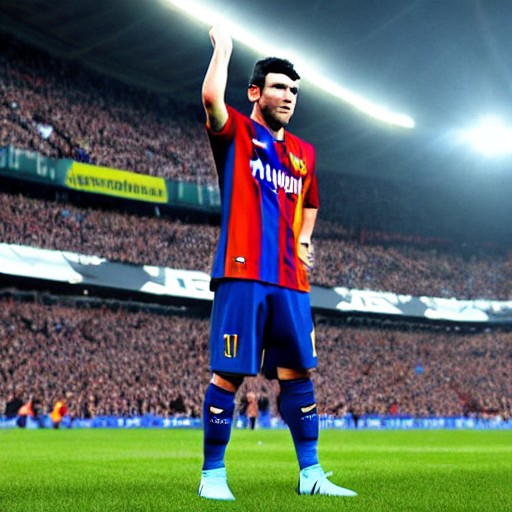
Mere moments after Argentina lost to France in a Round of 16 match during the 2018 World Cup in Russia, commentators were already predicting it would be his final time on a World Cup pitch. “This was Lionel Messi’s final World Cup match,” one stated, “and maybe his final game for his country.” Messi was 31 at the time, and many assumed they had just watched his last appearance on soccer's biggest stage.
They were wrong. Instead, Messi came back four years later to lift the trophy in Qatar. Then he came back again this year at 39. However, Messi is not the exception anymore. Cristiano Ronaldo, 41, has said that this World Cup will be his last after Portugal’s Round of 16 exit following the team’s loss to Spain. Brazil’s Neymar, 34, too, announced his retirement from international football, as did Germany’s Manuel Neuer, 40.
While there isn’t a definitive global dataset comparing retirement ages across generations, the evidence points in one direction: football's elite has been getting older for decades. A 2019 peer-reviewed study published in Frontiers of Psychology tracking nearly 30 seasons of UEFA Champions League football found the average age of players rose from 24.9 years in 1992-93 to 26.5 years by 2017-18.
What’s striking is that this celebration of more veteran players on the pitch is happening during an era of football that has produced teenage stars like Lamine Yamal, Endrick, and Bara Sapoko Ndiaye. Soccer isn’t necessarily getting older because young players have disappeared; it's getting older because veterans are leaving later.
Research suggests professional footballers still reach their physical peak in their mid-to-late twenties, though the exact age depends on position. And while aging is gradual, players in their thirties begin to lose their explosive speed and the stamina to maintain the high-intensity running that modern soccer demands most.