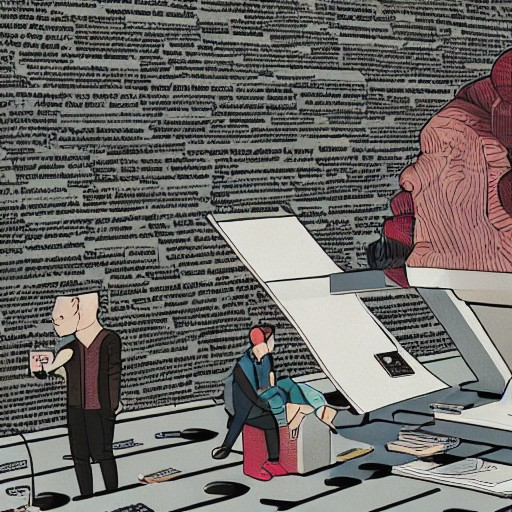
When novelist Laura Brooke Robson began penning Love Is an Algorithm, she intentionally avoided the AI tropes of wishy-washy metaphors and em dashes. Instead, she embraced a more winding path to showcase her human touch.
This anti-AI literary movement involves writers negating common AI-generated structures such as lists of three or passive voice. They now champion idiosyncrasy, with Robson arguing that this could push literature towards the 'weird and esoteric.'
Authors like Mia Ballard and Steven Rosenbaum have felt the sting of AI suspicion, prompting them to re-strategize their writing practices for greater authenticity. Meanwhile, editors at magazines from Aeon to Pitchfork are encouraging more human, spiky prose.
The movement is particularly evident on LinkedIn, where writers regularly push back against AI with typos and personal anecdotes, like Jessye McGarry’s 5 Reasons to Love Summer (NO AI). As Ray Slater Berry notes, it's about showing the 'blood, sweat and tears' that goes into human writing.