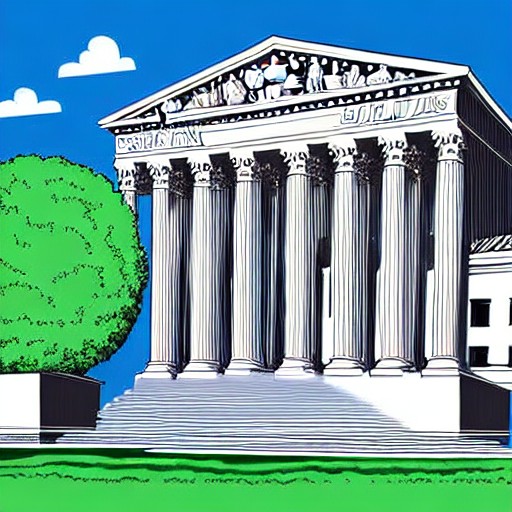
In a recent ruling, the Supreme Court has mandated that TV stations slash the prices of election ads for political parties and joint fundraising committees. This decision, coming in response to a petition by Republican committees, means that these groups will now enjoy the same steep discounts as individual candidates.
The legal requirement, known as the 'lowest unit charge,' or LUC, applies to any licensed station airing election ads. The Supreme Court’s order ensures that parties and joint fundraising committees are eligible for these discounts, despite facing fewer spending limits than independent candidates.
This move has sparked debate, with some arguing that it could distort the electoral process by giving larger parties an unfair advantage. The Trump administration has been vocal in its support, but four Democratic candidates have contested the ruling, citing a legal dispute over the interpretation of US law.
The Federal Communications Commission has already ordered broadcast TV stations to offer these discounts, but the Supreme Court’s intervention ensures that the policy is now legally enforceable. The main question remains: who exactly qualifies as a 'candidate' for the purposes of these discounted ads?