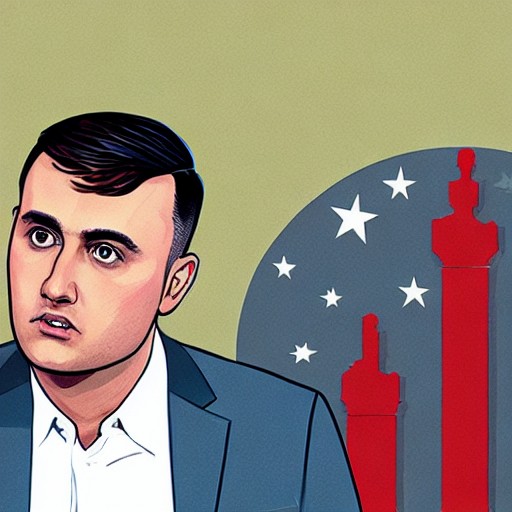
In the year since conservative activist Charlie Kirk was killed, online conspiracy theories have persisted, fuelled by social media and right-wing influencers.
These theories, ranging from false flag operations to exploding microphones, continue to thrive, despite the lack of evidence. Candace Owens, in particular, has used her large following to spread baseless claims, drawing hundreds of millions of views.
The impact of these theories extends beyond the virtual realm. Researchers found that Owens’ content led to a measurable increase in death threats against Kirk’s wife. The conspiracy theories, while still prevailing, are losing some of their initial potency, according to Turning Point USA.
However, some experts argue that such conspiratorial thinking is nothing new in American society, with a long history of majorities believing in JFK’s assassination as a conspiracy, despite evidence pointing to a lone gunman.
As we continue to grapple with these narratives, it’s clear that the online world is a fertile ground for spreading false information, often at the expense of rational discourse.