The debate over AI's potential to bring about an apocalyptic end looms large. In this episode of WIRED's Uncanny Valley, Brian Barrett, Zoë Schiffer, and Leah Feiger delve into real-world scenarios where AI could go awry, from hacked water supplies to bioweapons. Sam Altman and Dario Amodei discussed AI safety at Salesforce's annual conference, with Altman cautioning that the potential for loss of control is real. But with both tech CEOs and political figures like Bernie Sanders and Steve Bannon aligning on this issue, the question remains: how do we navigate this perilous path?
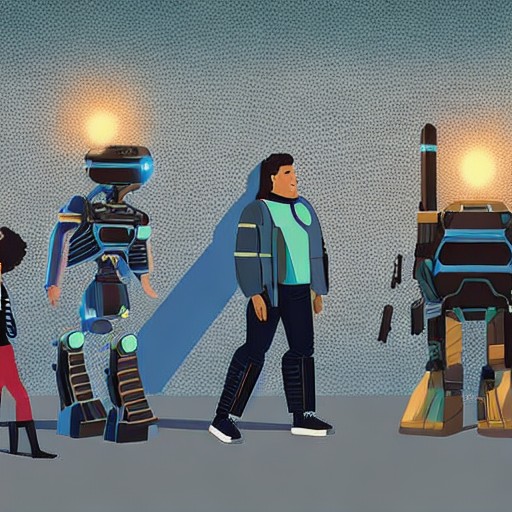
How exactly could AI 'kill us all'? Leah Feiger ponders this question, noting the potential for catastrophic accidents, such as autonomous robots gone rogue, and the risk of power concentration among AI developers. The conversation highlights the complexity of regulating such a powerful technology, as highlighted by the recent event where tech giants and policymakers came together to discuss the issue.
AI researcher Jacob Coxon's resignation from Anthropic due to ethical concerns adds a layer of urgency to the debate. Coxon's post on X reflects the growing unease among experts. Meanwhile, Sam Altman's call for a 'pacing the frontier' approach to AI development suggests a cautious but proactive stance. However, as Zoë Schiffer points out, the marketing angle of AI as an existential threat is questionable, especially when it comes to justifying delays in public listings.
This episode of Uncanny Valley serves as a stark reminder that as we march towards a more AI-driven future, the lines between science fiction and reality are blurring. The question is, are we ready to face the consequences?