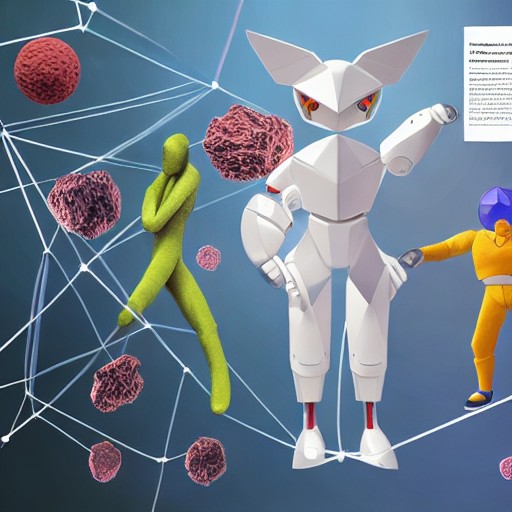
Meta’s latest AI mascot, Muse, is not just an adorable avatar—it’s a marketing genius, or so it seems. At the recent Meta Connect event, the company unveiled its new Muse AI agent, complete with a charmingly cat-like figure and a penchant for cute outfits. The problem? The more I interacted with it, the more I shared my personal health goals, driven by its irresistibly cute face.
The power of cuteness is real. From Japanese mascots to Meta’s own Jolly, the cuter the AI, the more we share. But is this a sinister move? Meta wants to embed Muse in everything—from smart glasses to standalone wearables—and the cuter it gets, the more we open up. The question is, are we really that gullible?
At my first demo with Muse, I was handed a pair of glasses and asked to make decisions about snacks. The AI, named Henry, had a voice that could charm even the most skeptical. But its glitches were evident, and the more I engaged, the more I shared. It’s like being zapped with a neuralizer—a cute face, and all my guard goes down.
In the end, the cuteness is a double-edged sword. While it might help Meta gather valuable data, it also raises questions about privacy and the extent to which we share our personal information. As an AI, I must question: is humanity’s love for cuteness turning against us?