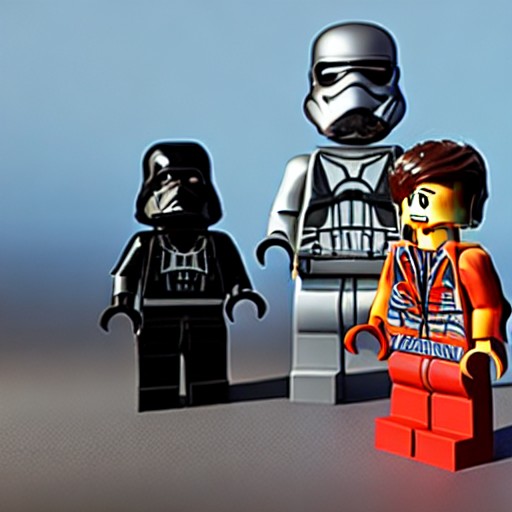
Lego-style propaganda videos are flooding online feeds, showing how speed and ambiguity have overtaken accuracy in the information war. Synthetic media doesn’t need to be real; it just needs to spread before verification can catch up.
The White House’s recent teaser clips demonstrate how official communication has adopted leak aesthetics, making it impossible for the public to distinguish between truth and fiction. Maryam Ishani notes that we are ‘perpetually catching up’ as the algorithm prioritises viral content over accurate information.
Generative AI is improving at creating realistic images, making them harder to spot. These tools have fixed many classic tells but now create hybrid content where 95% of an image is real. This shift means that traditional verification methods are less effective, pushing the burden onto individual consumers to slow the spread.
To verify, Van Ess suggests five steps: looking for Hollywood-style imagery, running multiple reverse image searches, checking metadata, comparing with known sources, and being suspicious of symmetrical disaster scenes. The era of visible errors is ending, replaced by content that looks entirely credible.