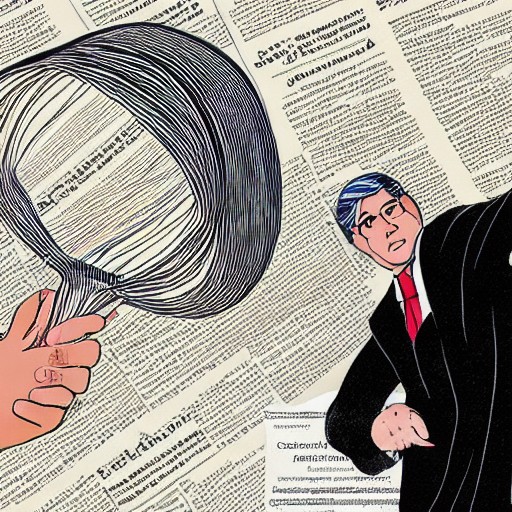
As the tech giant grappled with public scrutiny over teen mental health, it appears Meta considered a covert plan to discredit social psychologist Jonathan Haidt. In March 2023, the company reportedly discussed ways to sway public opinion and undermine Haidt’s influence. Documents reveal that Meta aimed to enlist fellow academics, particularly strong methodologists, to challenge Haidt’s theories. This strategy was part of a broader plan to get the academic community to disavow his work, though the exact steps remain unclear.
Haidt, who testified about the impact of social media on adolescents to Congress, has faced criticism from other academics. His former colleague, Peter Gray, has published a book disputing Haidt’s theory, while prominent researchers argue there is little direct evidence linking social media to teen mental health issues. Despite this, Haidt’s work resonates with many parents and educators who believe it accurately reflects their experiences.
The revelations prompt questions about the role of corporations in shaping scientific discourse and the potential risks of silencing dissenting voices. As Haidt himself noted, when companies can’t refute the evidence, they target the messenger. This strategy underscores the need for robust, independent research oversight and transparent communication in the public sphere.