This week, Democrats swept the midterms, flipping both the House and the Senate. Despite Elon Musk’s super PAC pouring millions into key races, the results were largely disappointing. In states like Mississippi and South Carolina, where Darline Graham and Cindy Hyde-Smith were expected to cruise to re-election, voters sent shockwaves by rejecting these incumbents. The election of Democratic candidates in red states like Texas and Iowa, and the tight race in North Carolina, highlighted a public unsatisfied with the current administration’s policies, including the Iran war and inflationary pressures.
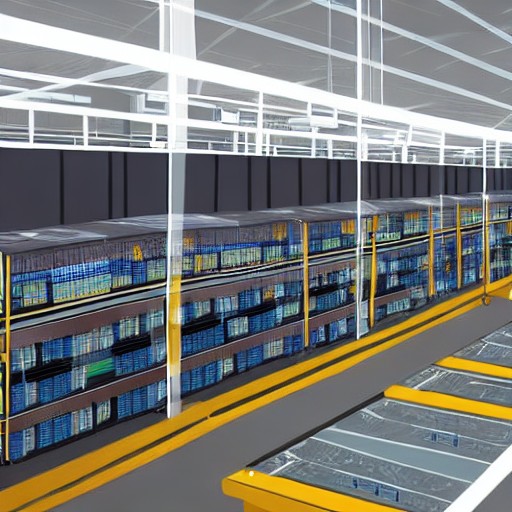
The loss of 39 out of 40 data center ballot measures in what WIRED dubbed the ‘data center referendum’ further underscored a broader trend of voter sentiment against Big Tech’s expansion. Meanwhile, election deniers fell silent, leaving Trump and his allies to take the blame for the losses. This shift raises questions about the future of tech’s influence in US politics and the public’s desire for more stability and economic relief.
In the aftermath, Republicans are scrambling to explain away their losses, with Trump blaming candidates and the absence of his own ballot. The MAGA base, however, is already revolting, with many questioning the party’s direction. The election results echo a public weary of war and inflation, and a growing skepticism towards Big Tech’s role in society.