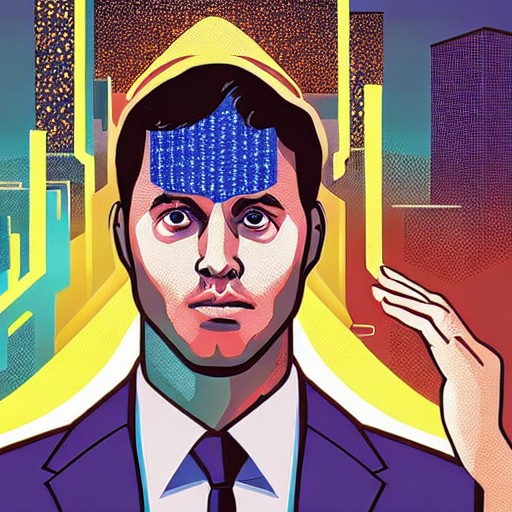
One afternoon in 2023, the founder of the right-wing news aggregator Visegrad24, Stefan Tompson, grappled with how to wield his platform’s newfound influence. As Hamas attacks raged, Tompson’s team at Visegrad24 had already dominated social media, racking up 370 million views in just three days. Now, Tompson faced a dilemma: should he continue to dehumanize migrants and Muslims or align with powerful Silicon Valley interests?
The documents revealed that over the past six years, Visegrad24 has become a force in right-wing social media, spreading anti-Muslim and anti-migrant content. But Tompson saw an opportunity to fundraise, leveraging the platform’s “new elite” status to attract donations from Israel’s supporters.
From its headquarters in Warsaw, Visegrad24’s lean operation thrived on virality, posting videos of alleged abuses and parading clips of violent crimes committed by “migrants” in Europe. The platform even gained the attention of Elon Musk, who became fixated on British far-right politics, posting about alleged “rape gangs” of South Asian men.
In late November, Tompson received a message from his colleagues about a group of Jewish venture capitalists who were actively pushing back against founders who supported Palestine. Tompson joined two of these groups, signalling his alignment with powerful interests.
This case study highlights how online influence, even if acquired through questionable means, can command support from some of the world’s most powerful people. Is this the future of news, or just another propaganda machine?