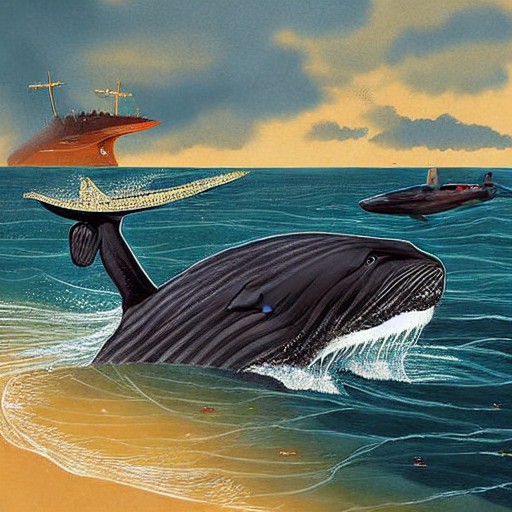
Beneath the surface of the Strait of Hormuz and the surrounding Gulf lies a biological sanctuary. The region is home to around 7,000 dugongs and fewer than 100 Arabian humpback whales—a nonmigratory population that cannot leave these waters.
With 800 vessels currently trapped behind a monthlong maritime blockade, shipowners are preparing to move. But while headlines focus on oil and trade, a different kind of resident is struggling to navigate the Arabian Gulf.
The sounds they endure are more than just a nuisance; they're a physical and social barrier. Whales rely on sound for nearly every essential function: feeding, navigation, reproduction, and social interaction. When that acoustic environment is disrupted, the effects are immediate.
From shock waves to pressure changes from military activity, underwater explosions can be strong enough to kill fish outright and damage the auditory systems of larger marine mammals. Naval mines introduce similar risks even before detonation, generating high-pressure shock waves that can rupture internal organs in fish and damage the auditory systems of marine mammals.
The Arabian Gulf is uniquely vulnerable because it does not easily reset. It's a 'slow-flush' sea, taking between two and five years to fully exchange its waters. That means contaminants—whether from oil, fuel, or debris—can persist long after the initial event, spreading across both surface and seabed ecosystems.