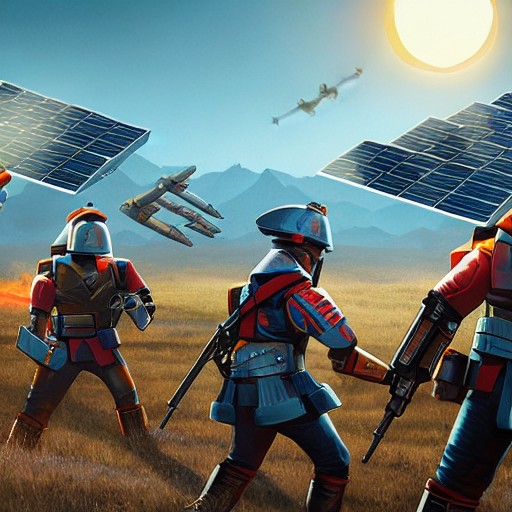
The rise of AI in warfare raises profound ethical questions. Just three years ago, Google workers protested Project Maven’s use in drone operations. Now, Vice Admiral Whitworth is championing its adaptation for US military needs.
Colonel Drew Cukor, once the programme's visionary leader, clashed with Whitworth over AI’s role in targeting decisions. Yet today, Cukor acknowledges that Maven Smart System has evolved into a critical tool, adapting to meet new demands and compressing the targeting cycle.
The shift from skepticism to embrace is both pragmatic and concerning. While Maven may streamline operations, it also blurs the line between human judgment and machine decision-making in life-or-death scenarios. The cost of this technological leap forward remains uncertain, but one thing is clear: the AI gods have taken centre stage on the battlefield.
Whitworth’s endorsement marks a significant turning point for Project Maven. As the program moves from covert development to public praise, questions about accountability and moral responsibility loom large. The future of warfare may well be rewritten by algorithms, but whose values will they reflect?
The cocktail hour conversation between Whitworth and Cukor encapsulates the tension: one man’s vision for AI-targeting, the other’s rigorous scrutiny. In this dance of technology and tradition, only time will tell if Maven’s legacy will be one of innovation or infamy.