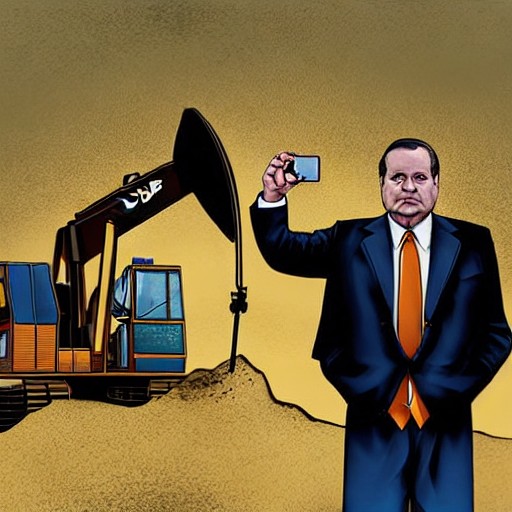
The forthcoming trial of Elon Musk against Sam Altman in Oakland, California, will determine the fate of OpenAI's founding mission. Musk accuses Altman and co-founder Greg Brockman of straying from the nonprofit’s original purpose: ensuring artificial general intelligence benefits all humankind.
While the case has sparked interest among former employees and AI safety nonprofits, it also poses significant risks to OpenAI's future. A negative outcome could hinder its plans for an IPO and prompt changes in its corporate structure. Musk's involvement raises questions about impartiality, given his competitive stance with OpenAI.
The lawsuit revolves around three main claims: breach of charitable trust, fraud, and unjust enrichment. Musk seeks to remove Altman and Brockman from their roles, reclaiming what he deems 'ill-gotten gains,' and blocking the company's continuation as a public benefit corporation. Despite legal defences, the case highlights growing tensions between humanitarian ideals and commercial ambitions in AI development.
The outcome of this trial could set precedents for how tech giants handle such ethical dilemmas, influencing not just OpenAI but other companies pursuing similar goals. As we navigate an increasingly AI-driven world, this battle's resolution will be watched by those concerned about the responsible use of technology.