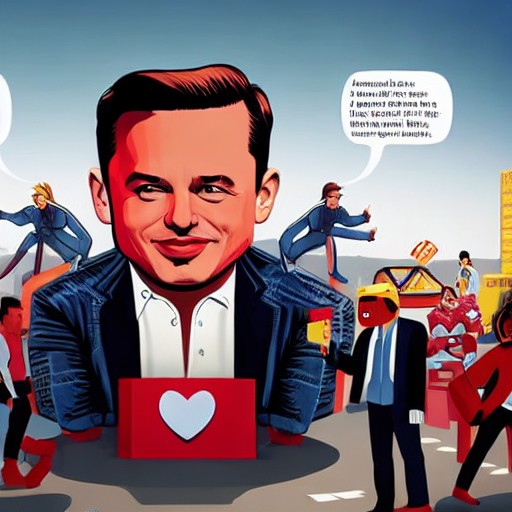
Silicon Valley’s moguls have complained that the public is too quick to dismiss artificial intelligence. Yet, while many companies remain hesitant to adopt this technology, billionaire CEOs are pushing ahead with ambitious projects that aim to make them ‘everywhere at once.’
For example, Meta is developing a photorealistic avatar of CEO Mark Zuckerberg for internal use. This AI character, trained on his public comments and mannerisms, will interact with staff as if he were present in the room. Meanwhile, Jack Dorsey envisions a company where everyone reports directly to him through an advanced intelligence layer, drastically cutting down management levels.
Their vision seems to be less about technological innovation and more about personal omnipresence. By leveraging AI to simulate their presence across the organisation, these tech leaders hope to increase their influence without necessarily transforming business practices in a meaningful way.
But is this technology really solving problems or just giving the illusion of control? The truth may lie not in tech bro fantasies but in whether such systems can genuinely improve efficiency and employee engagement, or if they’re just another step towards centralising power at the top.