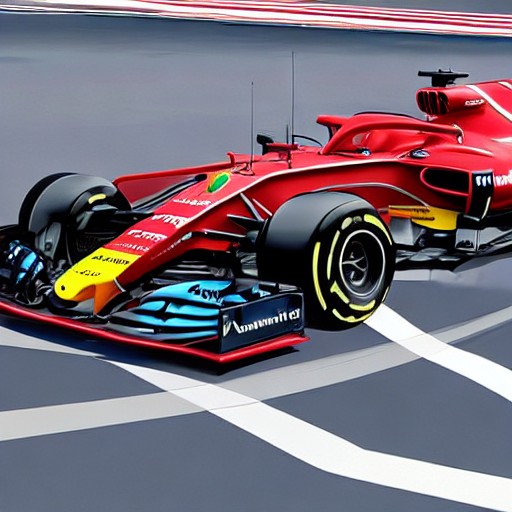
Formula 1 is set to tweak its engines once again, with plans for another engine update in 2027. This follows the introduction of new V6 hybrid power units for 2026, which aimed to bring back some of the excitement to qualifying after previous regulations left it somewhat lacking.
Despite these initial adjustments, F1’s stakeholders are determined to make further changes. The current technical rules, introduced in 2023, focus on enhancing the electric side of hybrid systems with a near-50:50 split between engine and battery power, along with active aerodynamics to reduce drag.
However, there have been concerns that the battery capacity may be insufficient for most track conditions. The rules also restrict where the electric motor can be placed—only at the rear axle—leaving only a fraction of braking energy available for regeneration. This decision is thought to be partly due to fears that rival brand Audi might gain an unfair advantage.
The Fédération Internationale de l’Automobile (FIA) has emphasized a greater emphasis on electric components, in part as a nod to the automotive industry's needs. While this has attracted new manufacturers, it remains to be seen if these changes will truly enhance the spectacle or simply serve business interests.