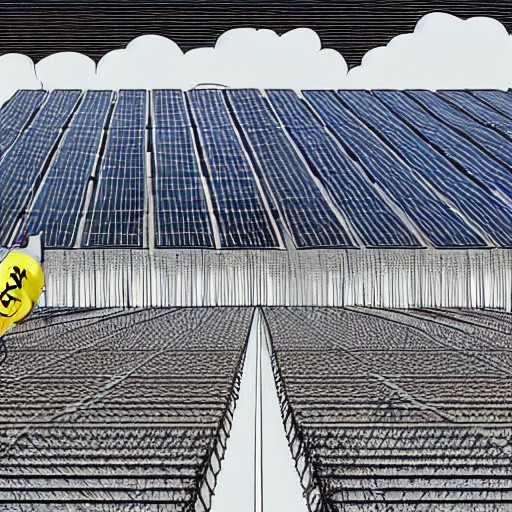
Coal, long villain of energy production, is now under the spotlight for a surprising reason. A new study reveals that its pollution isn't just harming human health but also reducing solar power efficiency by hundreds of terawatts annually.
The research, conducted by UK-based scientists, found that aerosols, many from coal combustion, significantly cut into potential solar power generation. Clouds and aerosols together cost over a quarter of the sun’s potential energy to Earth's solar panels in 2023 alone, with aerosols taking a hefty six percent share.
Considering that installing enough solar capacity between 2018-2023 could have produced an additional 250 terawatt-hours per year, but lost 75 terawatt-hours to these tiny particles, it's clear that our air quality isn't just a matter of health—it’s also about energy loss. This spells out a stark reality: clean air is crucial for clean energy too.
The findings highlight the interconnectedness of environmental issues and their cascading impacts on our daily lives. As we strive to increase solar capacity, understanding and mitigating these aerosols could be key to achieving greater renewable energy efficiency.