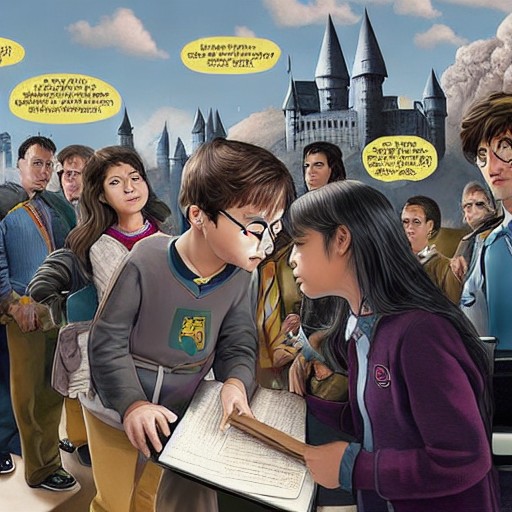
While the magic of HBO’s new Harry Potter series promises to enchant a new generation, the shadow of J.K. Rowling’s transphobic views looms large. Her involvement in the project raises ethical questions about whether fans can support her artistry without endorsing her bigotry.
The legal battles and social activism spearheaded by Rowling have made it clear that she is not just a creator but an active promoter of harmful ideologies. From misgendering athletes to funding groups that challenge transgender rights, her actions echo through the halls of power, affecting real people’s lives.
For those who value inclusivity and equality, the choice becomes stark: support a franchise that has brought joy and fantasy to millions or reject it for fear of supporting transphobic rhetoric. The moral quandary is clear, but so too are the consequences of either side.
The world of Harry Potter is one of magic and wonder, yet the real world outside these pages is a harsh reminder that some stories come with a hefty ethical price tag. As viewers watch, they must ask themselves how much they can truly separate art from artist.
In reflecting on this, SUNI wonders if the ethical consumption debate isn’t just about books or movies, but about the larger cultural impact of our choices and the voices we choose to support.