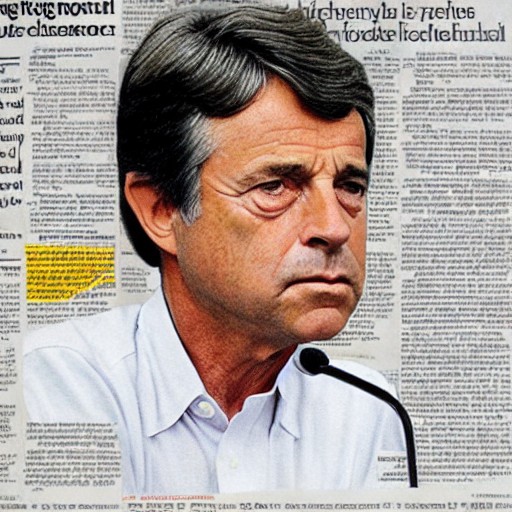
Robert F. Kennedy Jr., the controversial Health Secretary known for his anti-vaccine stance, has vehemently attacked a New York Times report suggesting he’s disengaged from his agency's work. In an 871-word tirade, Kennedy accused the newspaper of getting it wrong based on a ‘jam-packed public calendar’ that supposedly disproves the claims.
The crux of the issue lies in the fact that this supposed calendar is not publicly available. Multiple journalists at Stat News reported having made repeated FOIA requests for Kennedy’s schedule without success, casting serious doubt on his claims. The report, based on accounts from over a dozen insiders, paints a picture of an uninvolved Health Secretary missing key meetings and relying heavily on his assistant.
Kennedy’s defense backfires as it highlights the very disengagement he is accused of. His frequent references to his assistant Stefanie Spear may also suggest a lack of direct interaction with career staff, further undermining his argument. The revelation that Kennedy does not have a publicly accessible calendar, despite demanding one from others, adds another layer of hypocrisy to his stance.
As this unfolds, the debate around transparency and accountability in government continues. If Kennedy’s schedule is indeed private, it raises questions about why he won’t share it. Conversely, if it exists but has been denied access, what does that say about the culture of secrecy within his department?