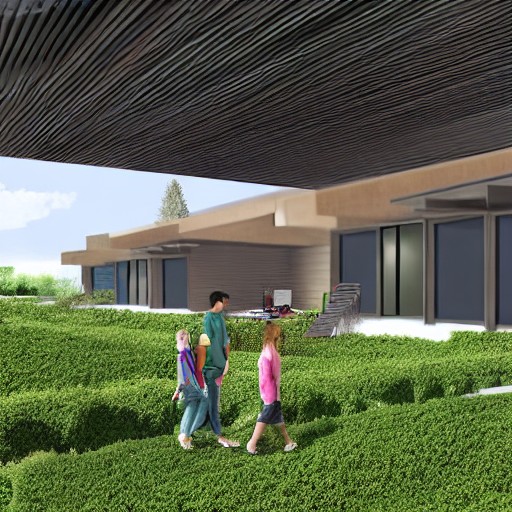
From mass timber in California to solar-powered pods in Antarctica, architects and engineers are turning towards locally sourced materials to tackle the global housing crisis without exacerbating climate change. These innovative solutions offer a blueprint for future buildings that not only adapt to their environment but also respect it.
The Sierra Houses in Northern California exemplify this approach, using mass timber harvested from the region's forests to create homes that are both fire-resistant and sustainable. Meanwhile, Antarctica’s Echo Base showcases how modular design and solar power can thrive in extreme conditions, proving that green building isn’t just for temperate climates.
In Niger, Mariam Issoufou is pioneering compressed-earth blocks as a solution for affordable urban housing. Her projects not only provide much-needed homes but also help combat the city’s intense heat through passive thermal design. This approach ensures that materials and designs are deeply rooted in local culture and context, making them more adaptable to various environments around the world.
These diverse examples illustrate how keeping it local can lead to both environmentally friendly and culturally relevant architecture. By leveraging regional resources and expertise, these projects demonstrate a sustainable future where housing meets environmental responsibility without compromising on comfort or aesthetics.